I started Aesthetics Research Lab (ARL) in 2016 because I sensed that there were people around the world, in unexpected professions and disciplines, who had an affinity toward aesthetics, even if they didn't know the jargon or theories. I also never understood why my discipline (philosophy) focuses conversations about aesthetics so much on art alone. … Continue reading 7 Year Summary
Category: History
Aesthetic Experience: A Debate
From 1958 to 1982, two adept philosophers—Monroe Beardsley and George Dickie—debated each other through their books and articles about the nature of aesthetic experience. By seeing the different attempts at an understanding and their respective critiques, it helps us to work through our own notion of what it means to have an aesthetic experience. I … Continue reading Aesthetic Experience: A Debate
Seeking the Familiar with a Twist
People prefer what is familiar to them. Scholars call this the "mere exposure effect." Philosopher Bence Nanay explains: "The more you are exposed to something, the more you tend to like it. Just the mere exposure to something changes your preferences. And this happens even if you are not aware of what you are exposed … Continue reading Seeking the Familiar with a Twist
Virtue and the Beautiful
The relation between morality and beauty continues to capture attention. Philosophers, especially moralists like Anthony Cooper (aka Shaftesbury), connected the ability to comprehend beauty to a person's virtue. Making this explicit, Shaftesbury referred to this innate ability to understand beauty as the moral sense. Part of the basis for this belief was the idea that … Continue reading Virtue and the Beautiful
What is Aesthetic Taste?
Theories of taste ran rampant in the eighteenth century, but things have settled down a bit in academic circles. Despite all the books on aesthetics, few people (if any) have offered new theories of aesthetic taste. Yet we live in a time where the exercise of taste has become quite pervasive. Content creators and audiences … Continue reading What is Aesthetic Taste?
Eating and the Tasteful Subject
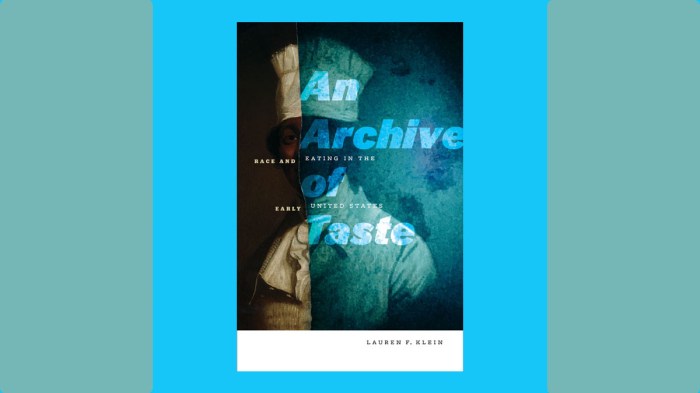
One of the more fascinating books I’ve read recently is Lauren F. Klein’s An Archive of Taste: Race and Eating in the Early United States. Klein writes that “in the late colonial era and into the early republic, America’s cultural and political leaders identified a causal relation between the cultivation of the American palate and … Continue reading Eating and the Tasteful Subject
Origin of the Golden Ratio
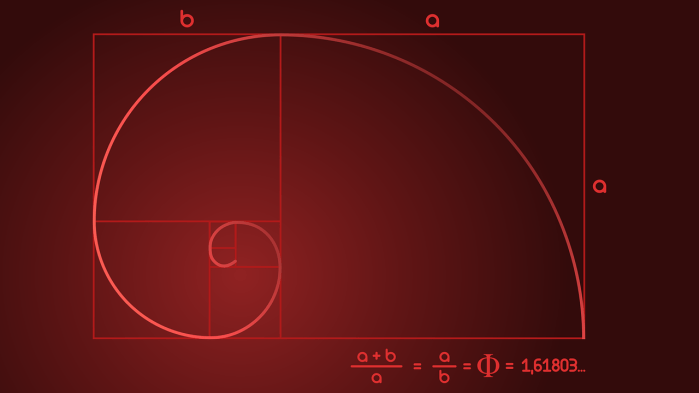
A common narrative about the Golden Ratio (1:1.618) permeates western aesthetic ideas, especially concerning beauty. We are taught that the Golden Ratio was discovered by the Greeks, perhaps Pythagoras, and that there is an assumed linear progression from their time to ours. In "The Golden Ratio, a Supposed Greek Invention, May have African Roots," Audrey … Continue reading Origin of the Golden Ratio
Aesthetic Ineffability and the Rebirth of the Reader
Guest post by Venkat Ramanan The adjective “ineffable” appears to be used mostly in relation to either (a) a spiritual/mystical experience or (b) when we appreciate a work of visual or plastic art. Here are some examples of (a) - The British writer Karen Armstrong described Laozi (the Chinese philosopher from the 6th century BCE) … Continue reading Aesthetic Ineffability and the Rebirth of the Reader
'Vivaldi for Gorillas': Seeking Aesthetics in Adversity
Guest Post by Venkat Ramanan While held prisoner in Auschwitz, the Italian writer Primo Levi, in an effort to keep himself anchored, tried to recall all the cantos of Dante’s The Divine Comedy and explicate its intricacies to his fellow inmates. There were, naturally, gaps in Levi’s memory. He got frustrated with this lapse and … Continue reading 'Vivaldi for Gorillas': Seeking Aesthetics in Adversity
Three Design Conditions of Thomas Aquinas
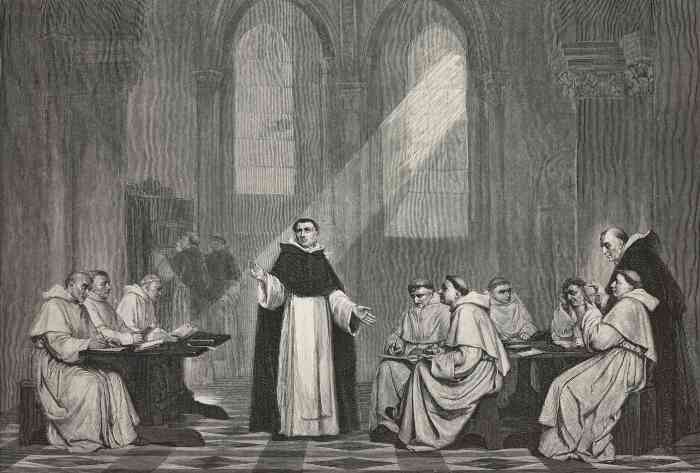
The concept of design entered new arenas in contemporary society. Design in traditional fields, like architecture, has clearly changed as exemplified by modern architectural feats. And design has entered areas that didn't even exist years ago, like web design. With new developments and changes in culture, design demonstrates those change. However, there are some principles of design that … Continue reading Three Design Conditions of Thomas Aquinas