In 1980, philosopher John Finnis wrote Natural Law and Natural Rights, which is his explanation of natural law theory. He sets the stage by saying that there are seven basic human goods (also called basic reasons for action): life, knowledge, practical reasonableness, 'religion', play, friendship, and aesthetic experience. These all contribute to human flourishing; they … Continue reading Aesthetic Experience: A Basic Reason for Action
Category: Business
Bringing Beauty to Business: An Interview with Bella Zhang
As the founder of Artful Banyan Tree, Bella Zhang stands as a pioneering force in the convergence of art and well-being promotion. With degrees in Psychology from the University of Edinburgh and Business Psychology from Hochschule für Medien, Kommunikation und Wirtschaft, Bella combines academic excellence with creative innovation. Bella, a certified Expressive Arts Facilitator, employs … Continue reading Bringing Beauty to Business: An Interview with Bella Zhang
7 Year Summary
I started Aesthetics Research Lab (ARL) in 2016 because I sensed that there were people around the world, in unexpected professions and disciplines, who had an affinity toward aesthetics, even if they didn't know the jargon or theories. I also never understood why my discipline (philosophy) focuses conversations about aesthetics so much on art alone. … Continue reading 7 Year Summary
Seeking the Familiar with a Twist
People prefer what is familiar to them. Scholars call this the "mere exposure effect." Philosopher Bence Nanay explains: "The more you are exposed to something, the more you tend to like it. Just the mere exposure to something changes your preferences. And this happens even if you are not aware of what you are exposed … Continue reading Seeking the Familiar with a Twist
TikTok Aesthetics
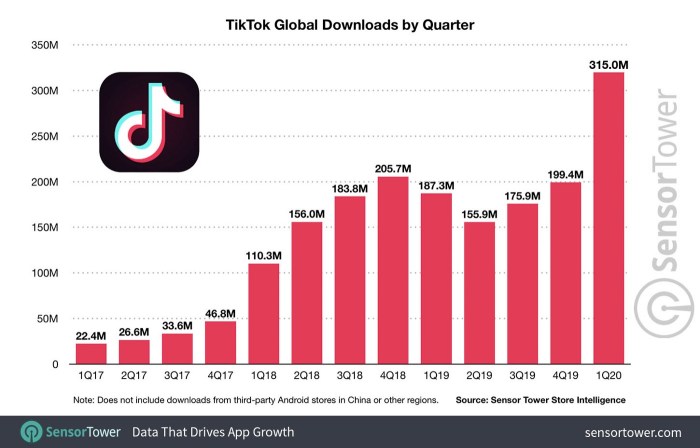
Our personal taste—for example in art, fashion, or music—does not develop by accident; it is not passive. People choose what they view, wear, and follow. But companies and organizations know how to exploit our natural desires for beauty and aesthetics. Before the Internet became a household necessity, people often trusted a friend or family member … Continue reading TikTok Aesthetics
Aesthetics are Intangible Assets
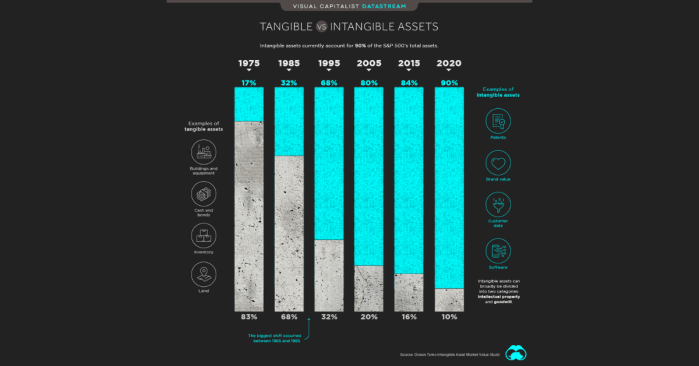
Jonathan Haskel and Stian Westlake describe the shift from tangible to intangible assets in the book, Capitalism Without Capital: The Rise of the Intangible Economy (2018). Tangible assets consist mostly of those objects that take up physical space: machines, factories, vehicles, desks, and computers. Intangible assets involve things like patents or procedures. To get a … Continue reading Aesthetics are Intangible Assets
Aesthetics and New Product Design
The BOLTGROUP, located in Charlotte, NC, offers some insight into when in the design process should people consider aesthetics. The short answer is right away. On their website, they offer a slew of insightful articles about design practice and other ideas. One short essay, called "When to Address Aesthetics in Your NPD Process," stood out. … Continue reading Aesthetics and New Product Design
The Beautiful Business
Tom Morris, philosopher to the business world, wrote an excellent book a while back called, If Aristotle Ran General Motors. The title, as he notes early on, is meant to be more symbolic than literal, with Aristotle standing in for philosophy and General Motors standing in for any business. What Morris presents is a way … Continue reading The Beautiful Business
On Aesthetic Intelligence
In 2009, Rochelle Mucha published her book exploring "aesthetic intelligence." Mucha appeals to the origin of the word 'aesthetics,' rather than its current use in disciplines like philosophy. Aesthetics referred to the knowledge gained by the senses. Part of the motivation of her book is to show the value of getting all of our senses … Continue reading On Aesthetic Intelligence
Taste Maps for Brands
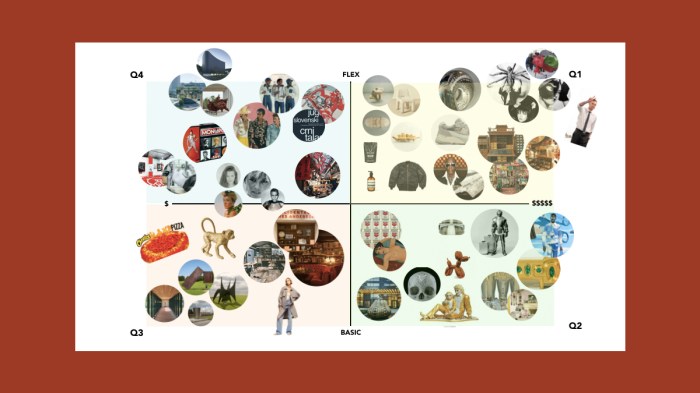
For brands to stay relevant and successful, learning the tastes of customers is imperative. Taste influences how people see and act in the world. Taste is a reflection of our selves and a way to see what other people value. This idea led Stephen Bayley to describe taste as "a window and a mirror." "The … Continue reading Taste Maps for Brands